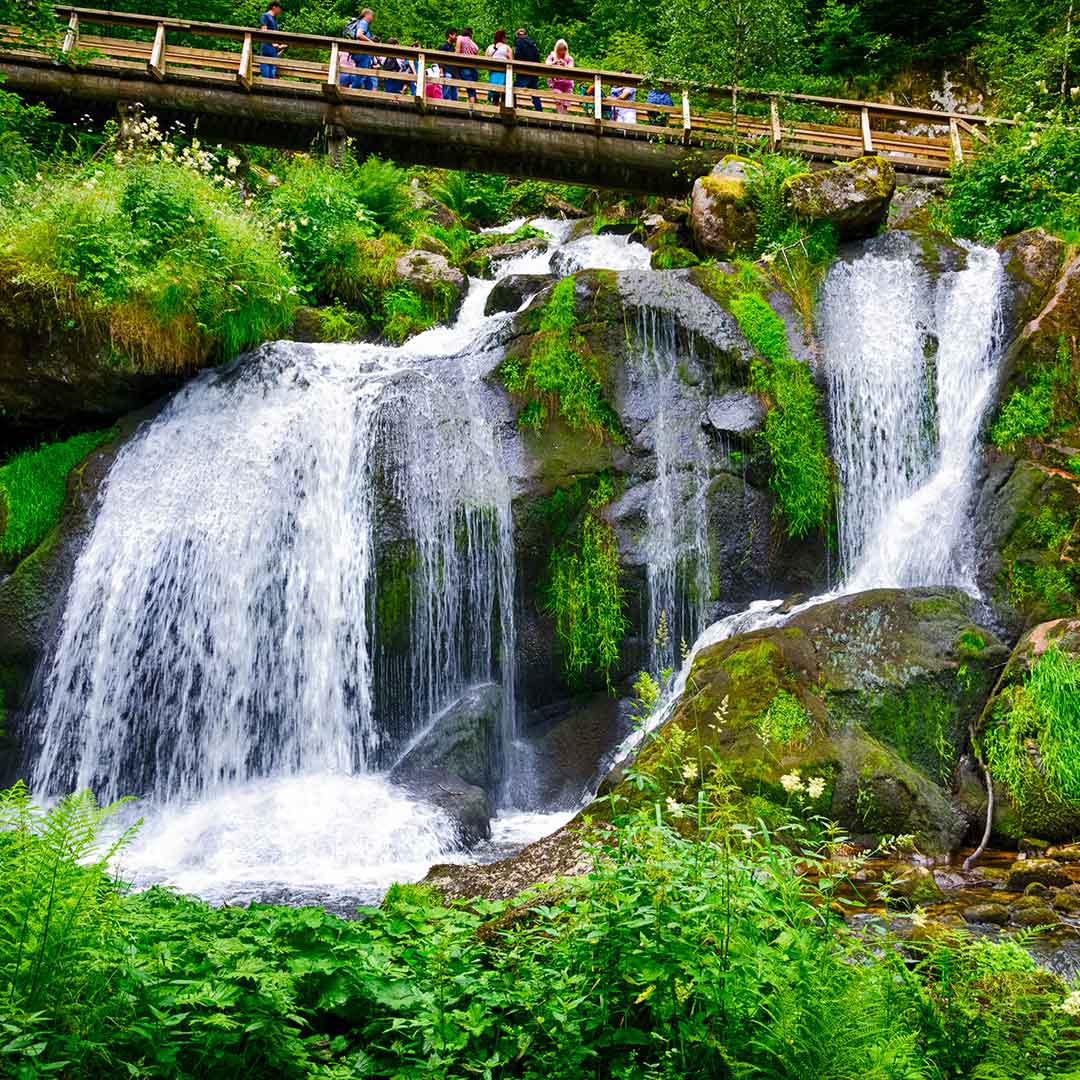
Triberg Waterfalls
These waterfalls drop over seven tiers, creating a cascade through the forested mountainside.
Follow the lower path early to photograph the falls without crowds.

Germany's Black Forest spans 6,000 square miles of forested highlands, medieval villages, and alpine meadows in Baden-Württemberg. The region operates 24 hours daily with no admission charge to the forest itself, though museums, spa facilities, and cable cars set their own fees. This guide examines what the Black Forest offers, seasonal conditions, and whether it aligns with your travel priorities.
Quick answer
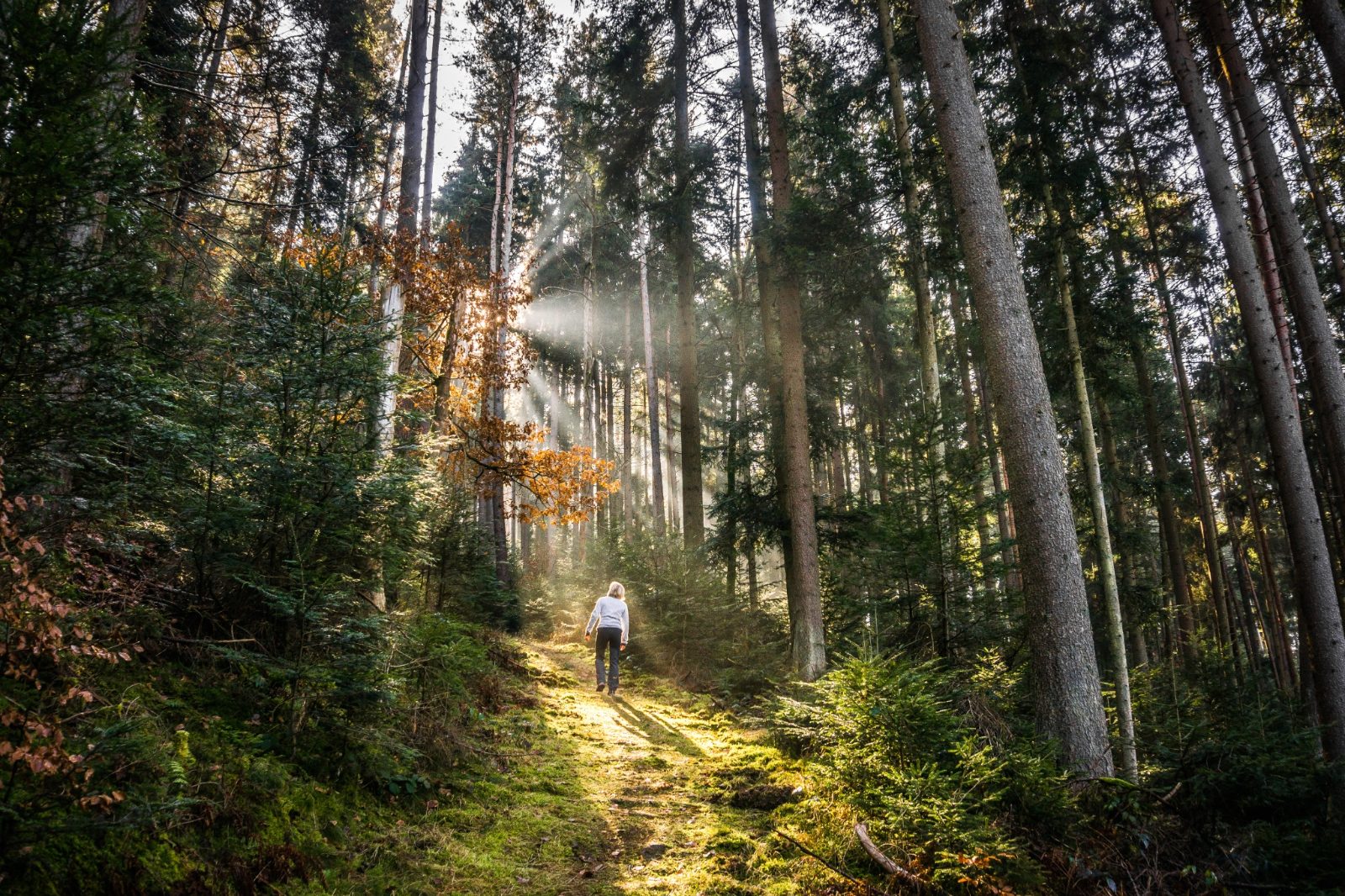
Yes, the Black Forest is worth visiting for travelers seeking forested hiking trails, traditional German villages, and a slower pace outside major cities. The region offers free access year-round, with spring and autumn providing optimal weather and smaller crowds. Individual attractions like Triberg Waterfall or Titisee charge separate fees, but the forest network, panoramic roads, and village centers remain free to explore. Plan three to five days for a thorough visit.
The Schwarzwald—literally "Black Forest"—earned its name from the dense canopy of Norway spruce and silver fir that darkens the hillsides when viewed from a distance. This forested mountain range stretches from Karlsruhe south to the Swiss border, reaching elevations above 1,400 meters at Feldberg, the highest peak outside the Alps in Germany. Unlike enclosed city landmarks, the Black Forest operates as an open region where no gate controls entry and no single authority defines the visitor experience. Deciding whether the Black Forest merits a visit depends on what you value in a destination. If you prioritize concentrated sightseeing—major museums, palaces, or monuments clustered within walking distance—you will find the Black Forest dispersed and car-dependent. The region rewards slow travel: driving the Schwarzwald-Hochstrasse panoramic route between Baden-Baden and Freudenstadt, stopping at farm shops selling smoked ham and Kirschwasser cherry brandy, hiking to Triberg's tiered waterfall through old-growth forest, or circling Lake Titisee in late afternoon when day-trippers depart. Villages like Gengenbach and Schiltach preserve half-timbered architecture from the 16th century, their market squares free of admission charges. The Black Forest's accessibility from Strasbourg—under 90 minutes by car or regional train—makes it a natural pairing for travelers already in Alsace. Cross the Rhine at Kehl and the landscape shifts from vineyard plains to forested inclines. The tourism board maintains year-round trail networks, but seasonal shifts alter the experience significantly: winter transforms higher elevations into cross-country ski terrain, spring brings wildflower meadows and rushing streams from snowmelt, summer allows long daylight for ridge hikes, and autumn colors the beech groves while harvest festivals activate village squares. Visitors frequently underestimate scale. The Black Forest is not a single site but a composite of valleys, each with distinct character—Kinzig Valley for timber traditions, Wiesental for textile history, the Hotzenwald plateau for windswept isolation. Surface roads wind slowly; direct routes via autobahn bypass the scenery entirely. Budget time for unplanned stops: a roadside bakery selling Schwarzwälder Kirschtorte from the original recipe, a small chapel above a valley bend, a local telling you the trailhead locals use instead of the marked tourist path. The region does not perform; it simply exists, and whether that suffices depends entirely on the traveler.
“The Black Forest does not perform; it simply exists, and whether that suffices depends entirely on the traveler.”
The best arrival window is 09:00–11:00 to avoid mid-day crowds and secure optimal lighting for hiking and photography. Visiting during shoulder seasons balances weather conditions with manageable visitor numbers.
Mild, 10°C to 18°C. Landscapes bloom after winter snows.
Warm, 15°C to 25°C. Long days are ideal for extensive forest exploration.
Cool, 8°C to 16°C. Foliage creates distinct conditions for photography.
—;Arrive between 09:00–11:00 for the quietest experience in the forest trails.
Verdict: Plan your visit for a weekday between 09:00–11:00 during the months of April or October for the most favorable conditions.
The Black Forest contains diverse geographical features and cultural landmarks that define the region's character. Visitors often prioritize these sites to experience the varied terrain and traditional architecture of Baden-Württemberg.
These waterfalls drop over seven tiers, creating a cascade through the forested mountainside.
Follow the lower path early to photograph the falls without crowds.
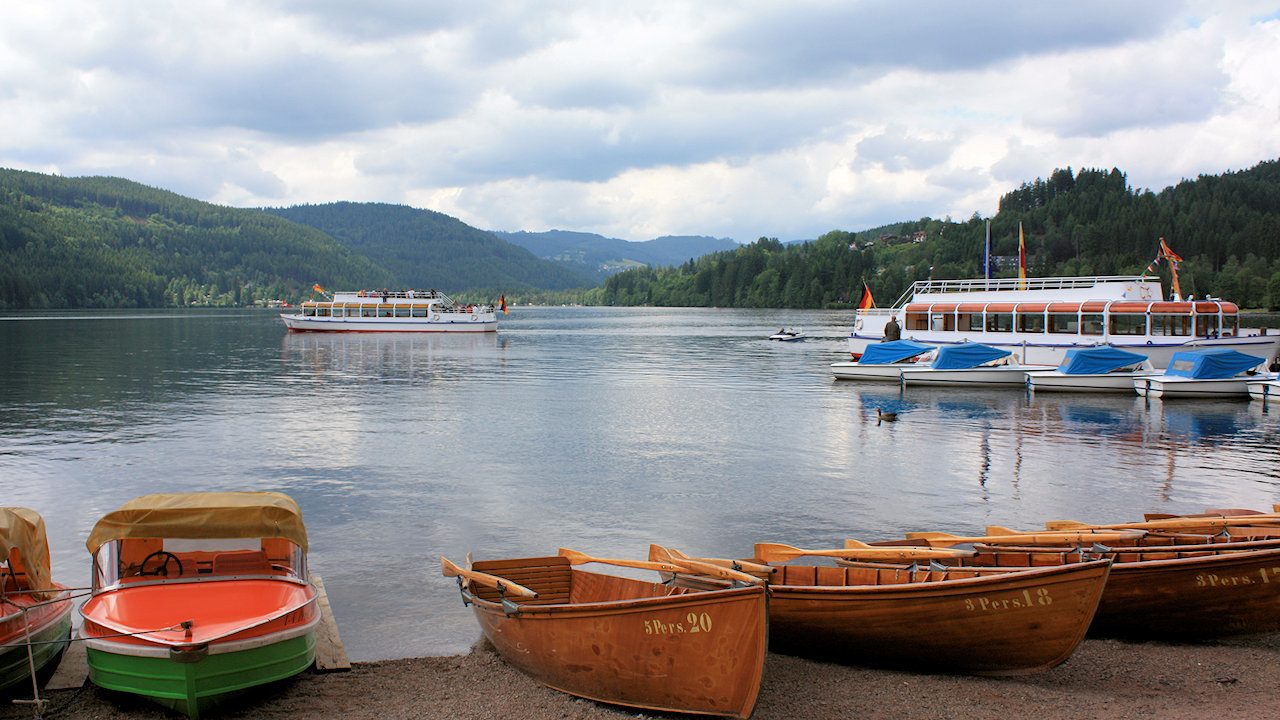
A glacial lake formed during the last ice age, offering clear waters surrounded by dense trees.
Walk the perimeter trail for unobstructed views of the surrounding hills.
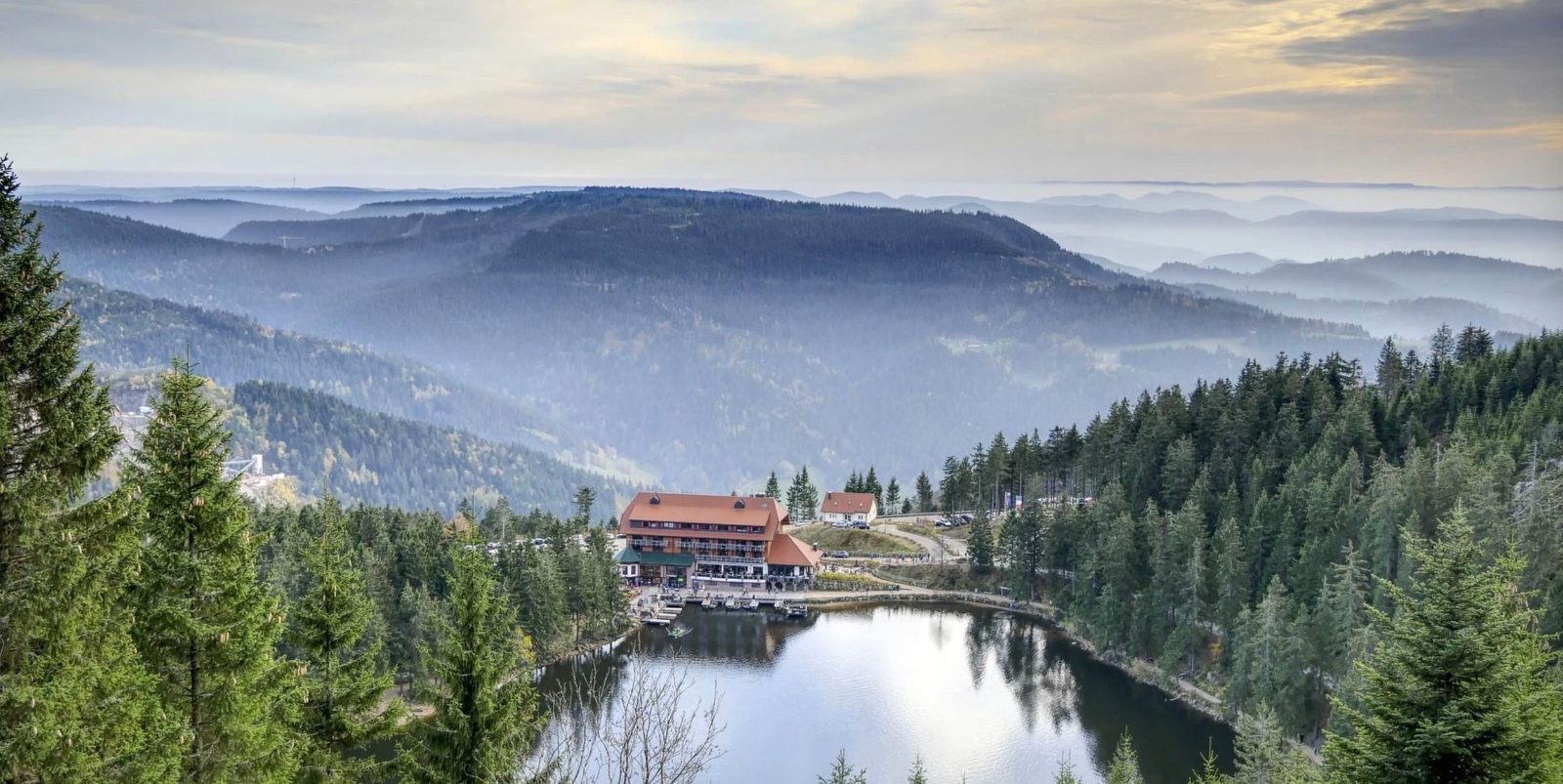
Also known as the Black Forest High Road, this route connects Baden-Baden to Freudenstadt through high-altitude terrain.
Drive during the morning window for better visibility and fewer vehicles.
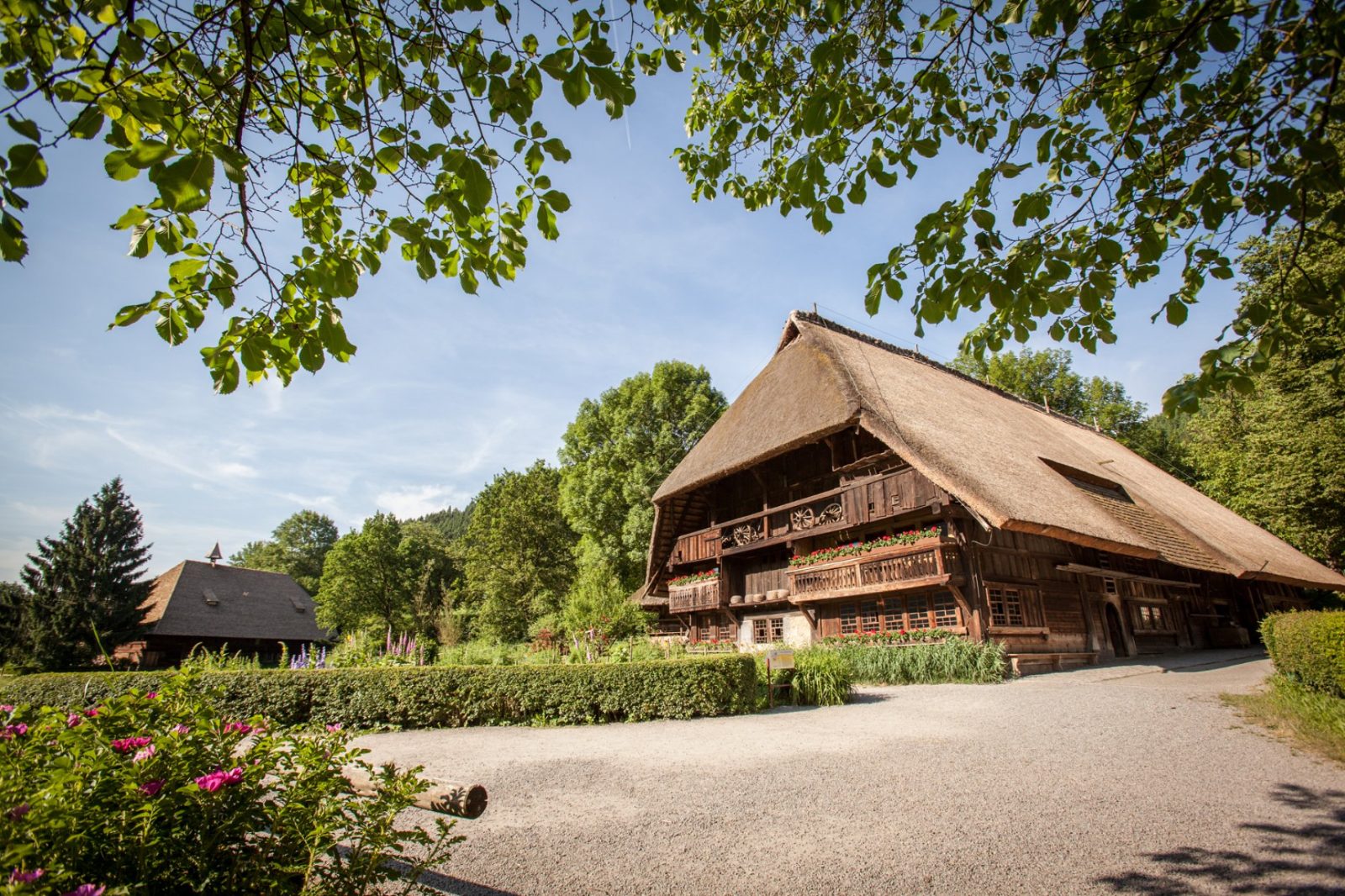
This museum displays preserved historic farmhouses that illustrate traditional local living and construction styles.
Focus on the interior hearth areas to see authentic historical layouts.
The Black Forest is located in Baden-Wurttemberg, Germany, and is accessible from Strasbourg via both rail and road networks. Regional train services and the A5 motorway provide the most direct connections to the region.
TER train from Strasbourg to Offenburg
A5 motorway via Kehl
S-Bahn from Offenburg to Hausach
For the best experience, plan to arrive between 09:00–11:00 to avoid mid-day crowds and secure parking at regional transit hubs or trailhead lots.
Visiting the Black Forest region itself is free of charge, as it is a public area. Costs are limited to individual attractions, museums, or guided activities you choose to experience.
Verdict: Most visitors pay 0 EUR to explore the nature, with total costs depending entirely on which specific attractions or services you select.
The Black Forest region remains accessible to visitors daily throughout the year. As a public landscape, the area does not have formal gates or restricted operating hours.
Everything you need to know about is the black forest worth visiting
Travelers frequently ask is the Black Forest worth visiting when planning a route from Strasbourg. The region offers accessible woodland trails, rolling hills, and traditional architecture that provides a distinct cultural experience compared to urban centers.
The area is defined by dense evergreen canopy, cuckoo clocks, and mineral-rich thermal springs. It serves as a UNESCO-recognized landscape where folklore and modern recreation blend seamlessly.
When considering if the Black Forest is worth visiting on a tight schedule, focusing on key hubs like Baden-Baden or Triberg allows for a meaningful overview. These locations provide high-density experiences without requiring extensive travel deeper into the mountain range.
Hikers and photography enthusiasts often explore the dense conifer forests and hidden waterfalls. The diverse topography supports extensive cycling paths and mountain vistas that define the local outdoor landscape.
Visiting during September offers moderate temperatures and clear foliage, making it a prime window to explore. The natural scenery transforms during this period, providing excellent lighting for those questioning is the Black Forest worth visiting for photography.
Entry to the natural region is 0 EUR. While the forest itself is free to access, individual attractions such as museums, cable cars, or thermal spas maintain their own independent entry fees.
The area features numerous family-friendly trails, open-air museums, and interactive wildlife enclosures. These facilities ensure that the region provides engaging environments for visitors of all ages.